Introduction
Located in the Gisozi district, just ten minutes from the city center, the Kigali Genocide Memorial is the final resting place for over 250,000 victims of the 1994 Genocide against the Tutsi. It serves as a place of remembrance, learning, and hope.
Practical Information
- Opening Hours: Daily from 8:00 AM to 5:00 PM (Last entry at 4:00 PM).
- Umuganda Exception: On the last Saturday of every month (Umuganda), the site opens at 1:00 PM.
- Entrance Fee: Entry is free of charge. However, donations are highly encouraged to support the memorial’s educational programs.
- Audio Guides: We highly recommend the Ubumuntu Audio Guide ($15–$30 USD). It is available in several languages, including German, and allows you to move through the exhibits at your own pace.
What to Expect
The memorial is divided into three main sections:
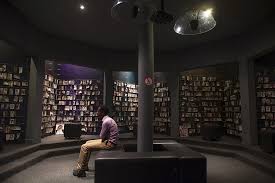
- The Main Exhibition: A historical journey detailing the roots of the genocide, the 100 days of tragedy, and the aftermath.
- Tomorrow’s Lost: A deeply moving room dedicated specifically to the children who lost their lives.
- The Gardens of Reflection: The outdoor mass graves and the Wall of Names, surrounded by peaceful gardens designed for meditation and unity.
Etiquette and Respect (Visitor Guidelines)
As this is a sacred burial site, Bahali Travel asks all guests to observe the following:
- Dress Modestly: Wear clothing that covers shoulders and knees. Avoid overly casual or flashy attire.
- Maintain Silence: Speak in hushed tones, especially in the exhibition halls and near the graves.
- Photography Policy: Photography is strictly prohibited inside the exhibition halls. You may take photos in the outdoor gardens, but please do so discreetly and avoid “selfies” or disrespectful posing.
- Emotional Preparation: The content is graphic and emotionally taxing. We recommend allowing at least 1.5 to 3 hours for your visit and avoiding booking high-energy activities immediately afterward.
Why Visit with Bahali Travel?
We provide a seamless and respectful experience for our guests:
- Private Transfers: We arrange quiet, professional transport to and from your hotel, giving you the space to process the experience.
- Guided Context: Our local guides can provide additional historical context before you enter, helping you understand the Rwanda of today—a nation of unity and progress.
- Support: Our team is available to assist with the Irembo booking process (required for group visits or specialized tours).
Conclusion
A visit to the memorial is not about “dark tourism”; it is about witnessing the resilience of the human spirit. It is the foundation for understanding why Rwanda is the peaceful, unified country you see today.

techteam
this is a new comment
techteam
“Lorem ipsum dolor sit amet, consectetur adipiscing elit, sed do eiusmod tempor incididunt ut labore et dolore magna aliqua. Ut enim ad minim veniam, quis nostrud exercitation ullamco laboris nisi ut aliquip ex ea commodo consequat. Duis aute irure dolor in reprehenderit in voluptate velit esse cillum dolore eu fugiat nulla pariatur. Excepteur sint occaecat cupidatat non proident, sunt in culpa qui officia deserunt mollit anim id est laborum.”